Best season
April to November often brings clearer water and steadier dry-season mornings, while manta rays can appear year-round.
Snorkeling guide
A friendly guide to calmer departures, respectful wildlife distance, and how our local team reads the water before heading toward Manta Bay or Manta Point.
best start window
Earlier boats often meet calmer wind and less surface chop.April to November often brings clearer water and steadier dry-season mornings, while manta rays can appear year-round.
Light wind, medium swell, and manageable current matter more than the calendar date. We check the ocean each morning.
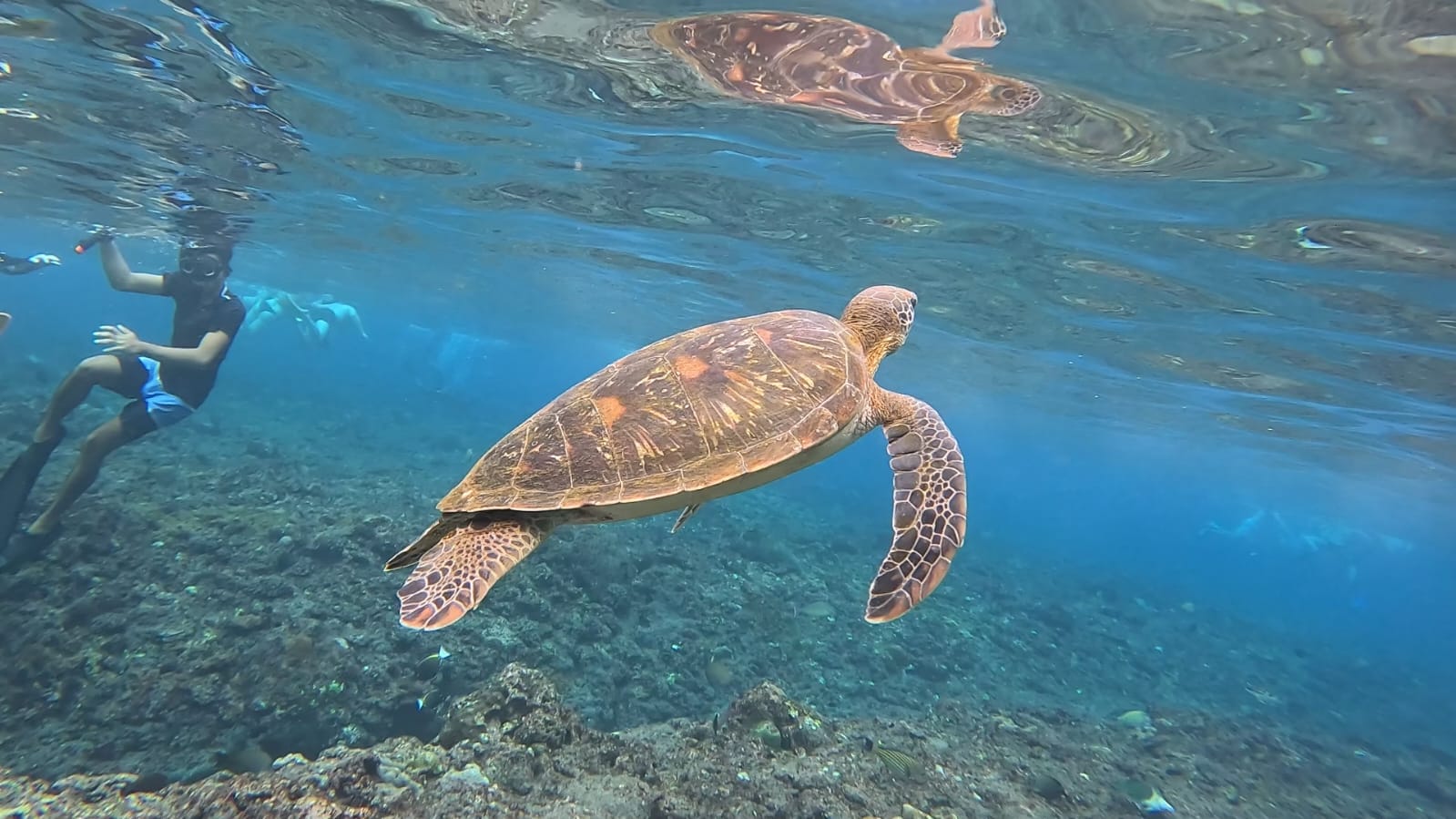
Float calmly, keep distance, never chase, and let the manta decide if it wants to circle back near the group.
Manta rays are one of Nusa Penida's most memorable ocean encounters. They are wild animals moving with plankton, current, swell, and temperature shifts, so no honest local guide can promise a sighting every day. What we can do is choose the smartest timing, read the sea carefully, and keep the experience respectful when they appear.
Plan for a morning trip, ideally during the drier months from April to November. If your schedule is flexible, keep one backup day free because wind and swell can change quickly around Penida's exposed cliffs.
Manta rays can be seen around Nusa Penida throughout the year, especially when food gathers near cleaning and feeding areas. For visitors, the most comfortable window is usually April through November, when mornings are more likely to be dry, bright, and easier to plan around.
The peak travel months of July, August, and September are popular for good reason, but they also bring busier boats. Shoulder months like April, May, October, and early November can feel calmer while still offering strong chances when the ocean cooperates.
Clearer mornings, lighter crowds, and pleasant water movement.
Classic dry season with popular departures and cooler water.
Good shoulder-season option before heavier rains become common.
Our favorite departure window is between 7:00am and 10:00am. Morning wind is often lighter, visibility can be cleaner before the day gets busy, and boat traffic is easier to manage with a relaxed group briefing.
That does not mean afternoon sightings never happen. It means the overall experience can become more dependent on wind chop and group comfort later in the day. If someone in your group is new to snorkeling, choose the earlier slot.
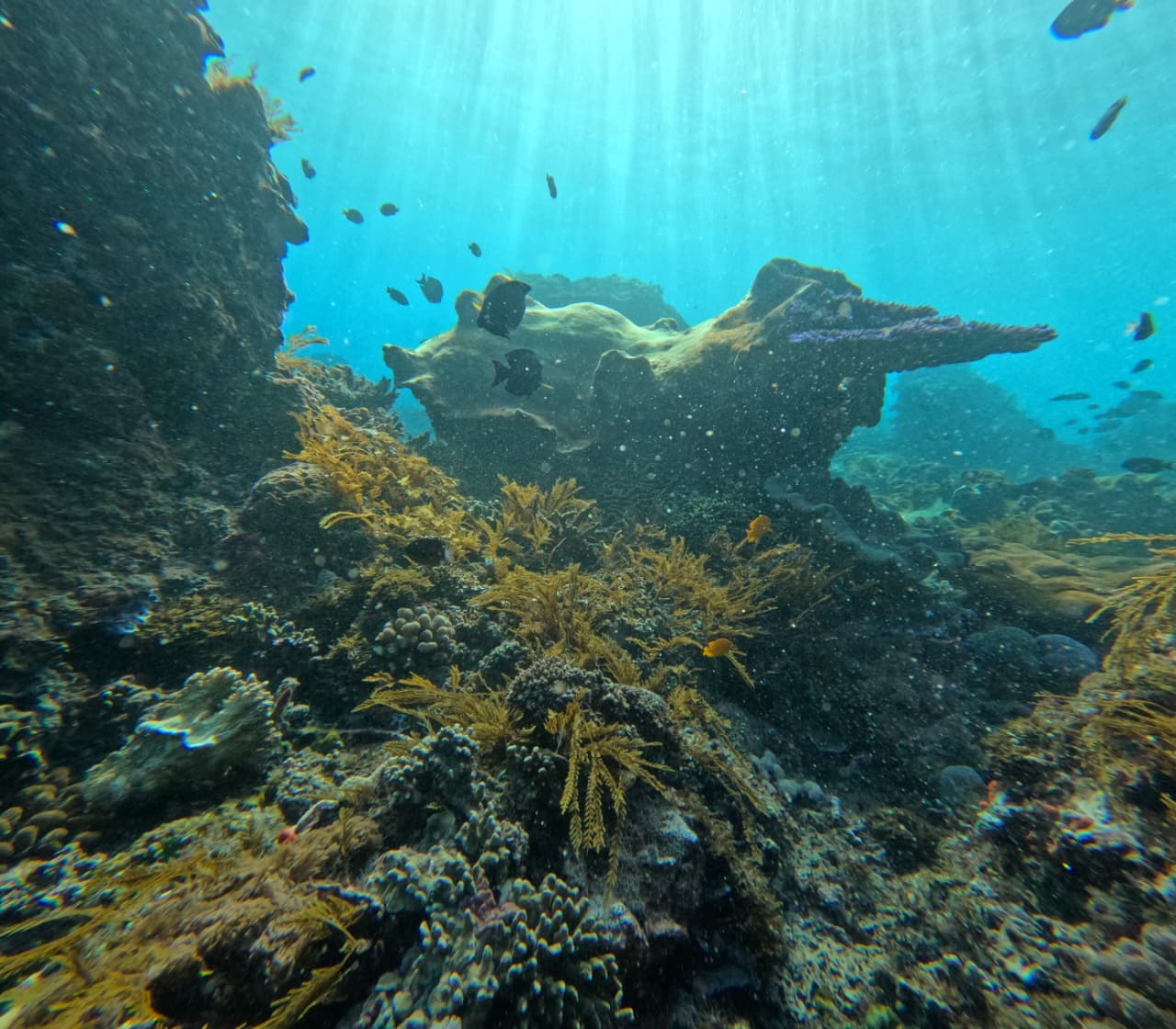
Manta Bay is often included on shorter snorkeling routes from Nusa Lembongan because it is more accessible. It can be beautiful, but it can also be busy and sensitive to swell. Manta Point sits farther along Penida's coast and can offer a more dramatic setting, though it requires more favorable ocean conditions and a longer boat ride.
The best choice is not always the most famous name. A good guide chooses the route that matches the day's sea state, the group's confidence, and where wildlife can be approached without crowding.
Fast kicking can scare wildlife and tire you out. Stay calm, breathe slowly, and follow your guide's hand signals.
Let the manta choose its path. Never touch, block, dive down onto, or surround an animal.
A rash guard is ideal. If you use sunscreen, choose reef-conscious products and apply before boarding.
Wildlife is never guaranteed. Enjoy the full route—reefs, cliffs, clear water, and island scenery matter too.
These simple choices help us recommend a private or sharing trip that feels comfortable for your group.
Choose your earliest available day, then keep a backup morning if possible.
Tell us if anyone is a beginner, a child, or nervous in moving water.
We watch conditions and suggest the safest route on the day.
A calm group gives everyone, including the manta rays, a better experience.
Send your date, group size, hotel area, and comfort level. We will recommend a route based on current conditions and your ideal island day.
A few details help us plan fast and keep the route comfortable.